


Let’s be honest. The old way of doing business—the extract, produce, waste, repeat model—isn’t just straining the planet. It’s exhausting our companies from the inside out. Burnout, short-term thinking, brittle supply chains… sound familiar?
That’s where regenerative business models come in. This isn’t just sustainability with a new coat of paint. Think of it as the difference between slowing down a car before it crashes (sustainable) and actually turning the car into a self-repairing, energy-creating vehicle that improves the road it travels on (regenerative). It’s about designing organizations that heal, restore, and grow more vital over time.
Here’s the deal: implementing this isn’t a side project. It’s a fundamental rewiring for long-term organizational health. Let’s dive in.
What a Regenerative Model Actually Feels Like
First, shake off the jargon. A regenerative business operates like a healthy forest ecosystem. It doesn’t just minimize harm; it creates conditions for life to flourish. Nutrients are cycled. Diversity creates resilience. The system adapts and thrives through seasons of change.
For a company, this translates to a few core shifts. You move from being a taker to a maker—of social capital, environmental renewal, and economic equity. Your success is measured not just by shareholder returns, but by the health of all stakeholders: employees, communities, suppliers, and the biosphere itself.
The Core Pillars of a Regenerative Framework
Okay, so what do you build on? Well, these aren’t siloed departments. They’re interconnected rhythms, like a heartbeat.
- Purpose Beyond Profit: This is the north star. It’s a purpose that explicitly includes healing—a social or environmental wound. Think: “We exist to restore soil health in our region” versus “We sell organic food.”
- Stakeholder-Centric Design: You know how most businesses center the customer? Regenerative models center the entire web of relationships. Decisions are weighed against their impact on employees’ well-being, a supplier’s viability, a watershed’s health.
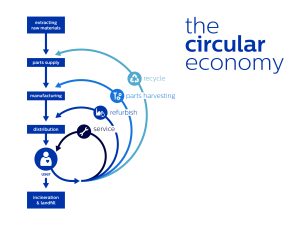
- Circular & Restorative Operations: Waste is a design flaw. Materials are kept in loops. Energy is renewable. But it goes further—operations should aim to leave a site more biodiverse, a community more resilient.
- Empowered & Distributed Governance: Top-down hierarchies? They’re often too slow and brittle. Regenerative health requires distributed intelligence—teams that can sense and respond like a living network.
The Implementation Journey: Where It Gets Real
This isn’t a weekend flip. It’s a gradual, sometimes messy, transformation. The key is to start where you are. Use what you have.
1. Diagnose Your Current State (The Honest Audit)
Before you prescribe, you need to listen. Map your entire value chain—not just for carbon, but for social and ecological relationships. Where are you extracting? Where are you creating dependencies instead of capacity? This audit is less about a perfect spreadsheet and more about seeing the hidden patterns, the quiet strains in your organizational health.
2. Redefine Success with New Metrics
You can’t manage what you don’t measure. Supplement your financial dashboard with what we might call a “vitality dashboard.” This could track things like:
| Metric Area | What to Measure (Examples) |
| Employee & Community Health | Employee thriving scores, skills development in local community, living wage ratios |
| Ecological Health | Net-positive water impact, biodiversity units, % of circular inputs |
| Economic Resilience | Supplier financial health, profit-sharing distribution, resilience to market shocks |
3. Start with Pilot Loops, Not a Big Bang
Pick one product line, one team, one community partnership. Design a small, closed-loop experiment. Maybe it’s taking a waste stream and turning it into a new product line, while upskilling a marginalized workforce to run it. Learn, adapt, and then let that success—and its lessons—spread organically. This is how you build muscle memory for regeneration.
The Tangible Payoff: Health You Can Feel
Sure, this sounds noble. But does it work for the bottom line? In fact, it’s the ultimate long-game strategy. Regenerative companies often discover unexpected wells of resilience and innovation. They attract and retain talent who crave meaning. They build fanatical loyalty with customers and communities that feel the difference. Their supply chains are more adaptive because they’ve invested in the health of their suppliers.
They avoid the whiplash of regulatory changes because they’re already ahead of the curve. Honestly, it’s just… smarter business in a complex, interconnected world.
Common Stumbling Blocks (And How to Side-Step Them)
Look, no transition is smooth. Here’s what trips most people up.
- Shareholder Primacy Hypnosis: The old “maximize shareholder value” mantra is a powerful spell. Breaking it requires courageous leadership and new legal structures (like Benefit Corps) to protect your regenerative mission.
- Departmental Silos: Regeneration is systemic. If your sustainability team is in a corner, it fails. The work must be woven into product design, HR, finance—everywhere.
- Perfection Paralysis: Don’t wait for the perfect 100-year plan. Start a pilot. Compost your food waste. Redesign one job for more autonomy. Momentum builds with action, however small.
The Regenerative Mindset: It Starts with a Question
Ultimately, implementing a regenerative business model is less about a checklist and more about a constant, living question: “How does this decision increase the health and capacity of the systems we depend on?”
Ask it in boardrooms and in brainstorming sessions. Ask it of your packaging and your payroll. When that question becomes your organizational reflex, you’re not just building a company that lasts. You’re nurturing one that lives—and helps everything around it live better, too.


More Stories
Managing Cross-Generational Conflict in Legacy Industries
Psychological safety in remote onboarding programs: Why it matters and how to build it
Resilience and Crisis Leadership: Steering Through the Storm