

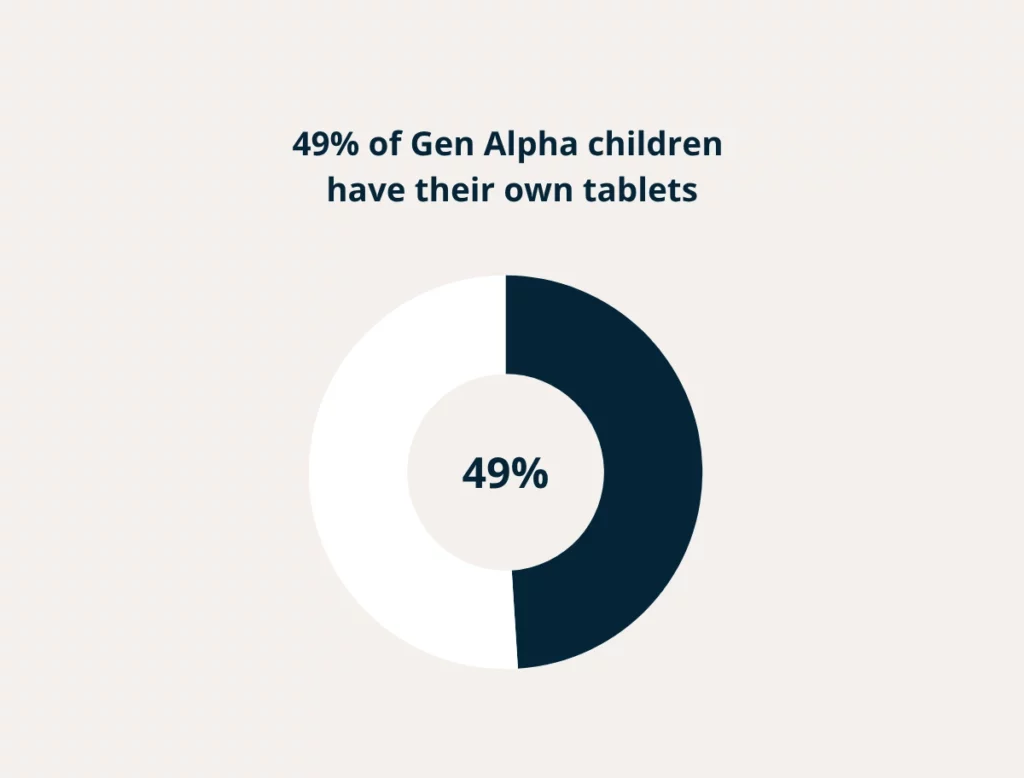
Let’s be honest—the workplace is starting to feel a bit like a family reunion where the great-grandparents, the millennials, and the toddlers are all trying to plan a road trip together. You’ve got Baby Boomers, Gen X, Millennials, and now, in stride, Gen Z. And peeking around the corner? Gen Alpha, the first generation born entirely in the 21st century, is getting ready to enter the scene.
Managing this mix isn’t just about updating the office playlist. It’s a fundamental shift in how we lead, communicate, and build value. Here’s the deal: if you want to thrive, you need a new playbook.
Who Are These New Generations, Really?
First, a quick snapshot. Because honestly, stereotypes get us nowhere.
Gen Z (born ~1997-2012)
Digital natives? Sure. But they’re more like digital architects. They built TikTok empires in their bedrooms. They’ve never known a world without on-demand answers or global connection. For them, work isn’t a place—it’s a thing you do, preferably with purpose and flexibility baked right in. They value authenticity over polish, and they’ll spot a corporate platitude from a mile away.
Gen Alpha (born ~2013 onward)
While the oldest Alphas are just entering their teens, they’re already shaping the future workforce. Think of them as “AI-natives.” Voice assistants like Siri and Alexa are their childhood tutors. Their learning is hyper-visual, interactive, and personalized. Their expectations for technology, feedback, and customization will make Gen Z look, well, patient.
The Core Challenges of a Multi-Generational Workforce
So, what happens when you mix these perspectives with established teams? Friction, sure. But also immense opportunity. The main pain points in managing intergenerational teams often boil down to a few key areas:
| Communication Style | Formal emails vs. quick Slack DMs. Scheduled meetings vs. async video updates. The medium is part of the message. |
| Feedback & Recognition | Annual reviews feel archaic to someone used to real-time likes and comments. They crave frequent, bite-sized validation. |
| Work Ethic & Flexibility | The 9-to-5 office anchor vs. output-based evaluation. It’s a clash of “presence” versus “results.” |
| Technology & Tools | Legacy systems can feel like handcuffs to a generation that expects seamless, intuitive apps for everything. |
| Purpose & Loyalty | Company loyalty is earned, not given. They need to see the tangible impact of their work, both socially and ethically. |
Practical Strategies for Modern Leadership
Okay, enough about the problems. How do you actually lead this brilliantly diverse group? It’s less about being an expert on every generation and more about being a great, adaptable leader. Period.
1. Flatten the Learning Curve (In Both Directions)
Create a culture of reverse mentoring. Pair a Gen Z hire with a senior leader to explain new social media trends or productivity apps. At the same time, have that senior leader share insights on client relationship-building or organizational history. Frame it as knowledge exchange, not a lecture. This builds respect and bridges gaps naturally.
2. Rethink Your Definition of “Productivity”
Forget hours logged. Focus on outcomes delivered. This is, frankly, the key to unlocking flexibility. Set clear goals and metrics, then—where possible—let people choose their path to get there. This empowers the remote-work desire of younger gens while also appealing to anyone who values autonomy. It’s a win-win.
3. Communicate with Channel Awareness
Don’t force everyone onto one channel. Have a communication charter. Maybe urgent issues are on Slack, project updates are in Asana, and deep-dive discussions are scheduled video calls. The rule? Be intentional. Explain why a certain medium is best for a certain message. This teaches context, a skill every generation can use.
4. Provide Feedback That Actually Lands
Blend the old and the new. Keep regular one-on-ones sacred—that human connection is irreplaceable. But supplement with real-time, specific praise or coaching in the flow of work. A quick “Great job navigating that client question today” on a project thread can be as motivating as a formal bonus for some. The goal is consistent, visible recognition.
Preparing for the Inevitable: Gen Alpha on the Horizon
If you think the shift with Gen Z was big, buckle up. Managing intergenerational teams will soon include a cohort that learns and thinks differently. To get ready:
- Invest in AI and Gamification: Training and tasks will need to be interactive, adaptive, and maybe even… fun. Think Duolingo, but for onboarding.
- Double Down on Visual Communication: Expect a preference for video, interactive demos, and visual project boards over lengthy text manuals.
- Embrace Hyper-Personalization: Career paths, learning modules, and even benefits packages may need to be more tailored than ever. One-size-fits-all? That’s a relic.
The point isn’t to panic. It’s to observe and adapt. Start the conversation now about how your company’s tech and culture can be more agile.
The Ultimate Takeaway: Lead the Blend, Don’t Just Manage the Mix
At the end of the day, this isn’t about pandering to the youngest in the room or clinging to the old ways. It’s about synthesis. The strategic patience of a Boomer, the pragmatic independence of Gen X, the collaborative idealism of a Millennial, the digital fluency of Gen Z—when these forces align? That’s a powerhouse team.
The best leaders won’t see generations as categories to be managed, but as perspectives to be woven together. They’ll create an environment where a 60-year-old and a 20-year-old can look at the same problem and, precisely because of their different lenses, build a solution neither could have crafted alone.
That’s the real opportunity. Not just managing difference, but harnessing it to build something genuinely new. The future of work isn’t a battle of generations; it’s a collaboration. And honestly, that’s a more exciting story to be part of.


More Stories
Managing Distributed Teams Across Asynchronous Time Zones and Workflows
The Role of Data Storytelling in Modern Executive Decision-Making
Cultivating Strategic Foresight and Adaptive Planning in Volatile Markets