


You know that feeling when you tear down a booth after a three-day show? The dumpster fills up with foam core, vinyl banners, and broken shelving. It stings a little — not just your wallet, but something deeper. That’s the lifecycle of a traditional trade show booth: build, exhibit, trash. But what if we flipped the script? What if your booth could live multiple lives, reduce waste, and actually tell a better story?
Let’s talk about the sustainable trade show booth materials lifecycle. Not as a buzzword, but as a real, practical shift. From raw material extraction to end-of-life repurposing, every stage matters. And honestly? It’s not as hard as you think.
Why the lifecycle matters more than you think
Here’s the deal: most exhibitors focus on the “look” of their booth — the wow factor. But the materials behind that wow factor have a hidden cost. Think about it. A typical 10×10 booth generates about 100 pounds of waste per event. Multiply that by thousands of shows yearly… yikes.
The lifecycle approach forces us to ask: Where did this material come from? How long will it last? Where does it go when we’re done? It’s like tracing your dinner back to the farm — except this dinner is a custom-built display.
Stage 1: Sourcing — picking the right DNA
The first stage is all about raw materials. And sure, you can grab cheap plastic or MDF (medium-density fiberboard) — but that’s like building a house on sand. Instead, look for materials with a low environmental footprint from the start.
Top sustainable materials for booth construction
- Recycled aluminum — lightweight, durable, infinitely recyclable. Great for frames and trusses.
- FSC-certified wood — responsibly harvested plywood or bamboo. Bamboo grows fast, sequesters carbon, and looks gorgeous.
- Recycled PET fabric — made from plastic bottles. Perfect for banners, backdrops, and tension fabric walls.
- Cardboard or corrugated board — surprisingly sturdy for temporary structures. Fully compostable.
- Bio-based plastics — like PLA from corn starch. Use for small components, not load-bearing parts.
One pro tip: ask your supplier for material certifications. If they can’t tell you where the aluminum came from, that’s a red flag.
Stage 2: Manufacturing — less energy, more craft
Manufacturing is where most of the carbon footprint happens. The goal here is to minimize energy use, waste, and toxic finishes. Think modular design — pieces that snap together without glue or screws. Think water-based inks instead of solvent-based ones. Think local production to cut shipping emissions.
I’ve seen booths made from laser-cut recycled cardboard that assemble in under an hour. No tools. No dust. Just clever engineering. That’s the sweet spot.
Stage 3: Transportation — the hidden carbon culprit
Here’s a stat that might surprise you: transportation can account for up to 30% of a booth’s total carbon footprint. Heavy materials shipped across oceans? That adds up fast. The fix? Lightweight materials. Flat-pack designs. And, well, local sourcing.
Imagine a booth that fits into two reusable crates instead of a full pallet. That’s not just eco-friendly — it saves you freight costs. Win-win.
Stage 4: Use — making the booth work harder
Once the booth is on the show floor, its lifecycle continues. This is where you can extend its life dramatically. How? By designing for reuse. A modular booth can be reconfigured for different spaces — a 10×10 one show, a 20×20 the next. Swap graphics, not structures.
Also, think about energy. LED lighting uses up to 80% less power than halogen. Digital screens can replace printed banners. And if you’re giving away swag, make it useful — not plastic junk that ends up in the trash by noon.
Quick checklist for the use phase
- Use rechargeable batteries for electronics.
- Choose modular furniture that can be rented or reused.
- Print on demand — only what you need, not a box of brochures.
- Offer digital materials via QR codes instead of handouts.
Stage 5: End-of-life — the real test
This is where most booths fail. They go to a landfill. But a sustainable lifecycle plans for the end from the beginning. Can the material be recycled? Composted? Donated? Upcycled?
Aluminum frames? Melt them down and reuse. Fabric banners? Turn them into tote bags or upholstery. Wood panels? Donate them to local schools or maker spaces. I’ve seen booths turned into furniture, art installations, even tiny houses.
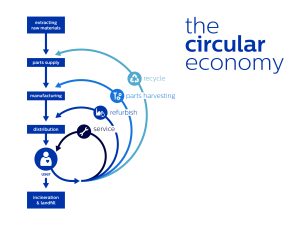
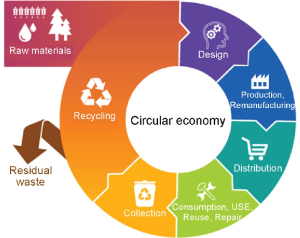
One company I know offers a “take-back” program: they reclaim their booth materials after the show, refurbish them, and rent them out again. That’s circular economy in action.
Comparing traditional vs. sustainable lifecycle
| Stage | Traditional Booth | Sustainable Booth |
|---|---|---|
| Sourcing | Virgin plastic, MDF, PVC | Recycled aluminum, bamboo, PET |
| Manufacturing | High energy, toxic glues | Low energy, water-based finishes |
| Transport | Heavy, bulky crates | Lightweight, flat-pack design |
| Use | Single-show, single-config | Multi-show, reconfigurable |
| End-of-life | Landfill | Recycled, donated, upcycled |
See the difference? It’s not just about being “green.” It’s about smarter design that saves money and resources over time.
Real-world trends shaping the lifecycle
Right now, the industry is waking up. Big trade shows like CES and EuroShop are pushing for zero-waste goals. Exhibitors are renting booths instead of buying. And material science is evolving — there are now mushroom-based composites and algae-based foams that can replace styrofoam.
But the biggest trend? Storytelling through materials. A booth made from reclaimed ocean plastic isn’t just sustainable — it’s a conversation starter. It says something about your brand. And in a sea of sameness, that matters.
Small shifts, big impact
You don’t have to overhaul everything overnight. Start small. Maybe swap your vinyl banner for a tension fabric one that can be reused. Or choose a rental booth for your next show. Or ask your supplier for a material breakdown before you order.
Each decision nudges the lifecycle in a better direction. And honestly? The more you do it, the more natural it feels. It’s like learning to cook from scratch — once you taste the difference, you can’t go back.
So next time you’re planning a booth, think beyond the three-day show. Think about where your materials come from, how they’ll live, and where they’ll go. Because a sustainable lifecycle isn’t just good for the planet — it’s good for your brand’s story.
And that story? It’s worth telling.

More Stories
Logistics and Freight Management for International Exhibitors
Hybrid Event Attendee Engagement Analytics: The Metrics That Actually Matter
Hybrid Event Engagement Strategies for Exhibitors: The Real Playbook