

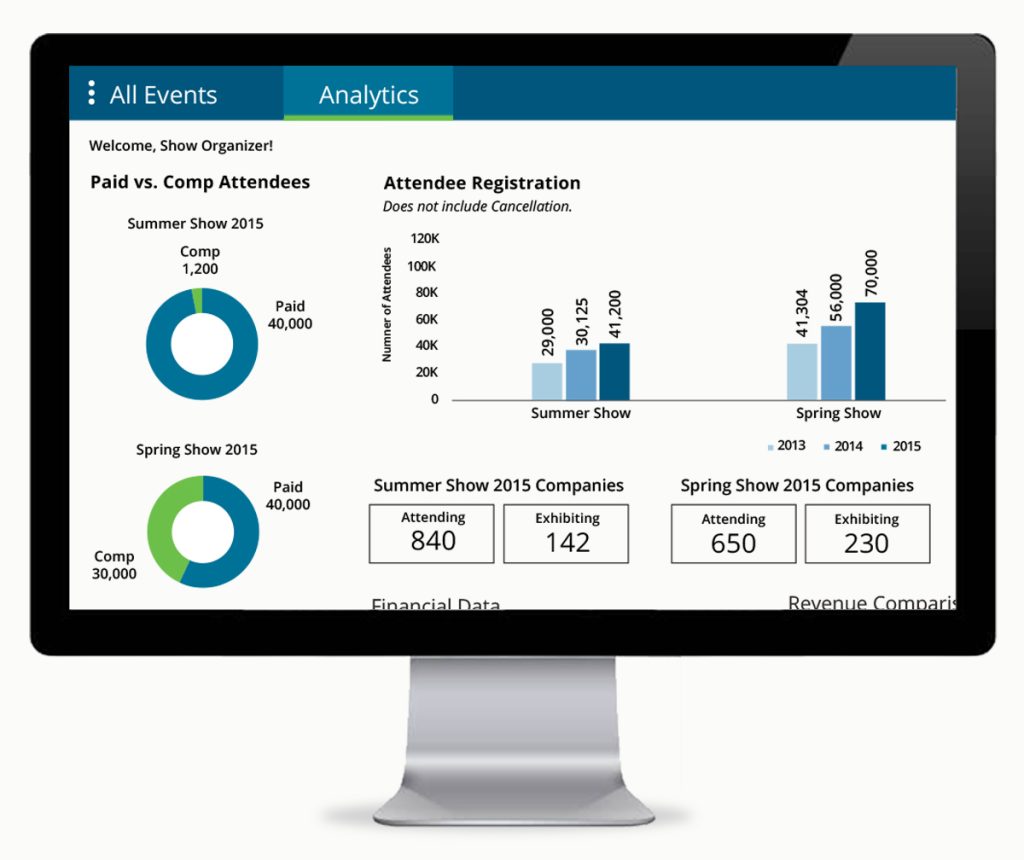
Trade shows are expensive. There’s no way around it. Booth space, travel, swag, the fancy LED backdrop that seemed like a good idea in January — it all adds up fast. And for years, measuring what you actually got back was… well, let’s call it “creative accounting.” You’d scan a few badges, collect a stack of business cards, and then eyeball a spreadsheet three months later hoping something stuck.
That approach doesn’t fly anymore. Not with tighter budgets, not with tougher privacy laws, and definitely not with CFOs who want receipts. The good news? First-party data and privacy-compliant analytics have quietly changed the game. Let’s dive into how you can track trade show ROI without stepping on anyone’s data rights.
Why Traditional Trade Show ROI Tracking Falls Short
Here’s the deal. Most trade show measurement relies on third-party cookies, badge scans, and whatever the event organizer hands you at the end. That data is often incomplete, delayed, or — honestly — just plain messy. You get a list of names, but no real sense of what happened after the show floor lights went down.
And then there’s the privacy problem. Third-party cookies are basically on life support. Regulations like GDPR, CCPA, and whatever comes next have made it risky to lean on data you don’t own or didn’t collect directly. If your analytics strategy still depends on tracking people across the web, you’re building on sand.
Key takeaway: If your trade show ROI model relies on third-party data, it’s probably underreporting — and possibly non-compliant.
What First-Party Data Actually Means (In Plain English)
First-party data is information you collect directly from your audience — with their consent. Think form fills, badge scans you control, email signups, on-site surveys, or interactions with your own website and app. You own it. You’re responsible for it. And you can actually trust it.
For trade shows, this is gold. Instead of guessing who stopped by your booth, you know. Instead of hoping leads remember you, you can follow up with context. And because you collected the data yourself, you’re on much firmer legal ground.
Examples of First-Party Data at a Trade Show
- Badge scans through your own CRM-connected app
- QR codes on booth signage that lead to a gated landing page
- On-site demo signups with explicit consent checkboxes
- Post-show survey responses sent to attendees who opted in
- Website behavior from visitors who arrived via your event-specific URL
See the pattern? It’s all opt-in, transparent, and tied to a real interaction. No shadowy tracking. No guessing.
Building a Privacy-Compliant Analytics Stack
Okay, so you’ve got first-party data. Now what? You need analytics that respect privacy while still giving you useful numbers. That means ditching tools that rely on cross-site tracking and embracing platforms built for a cookieless world.
Here’s a rough stack that works for most B2B trade show teams:
- A consent management platform (CMP) — so people know what they’re agreeing to.
- Privacy-first analytics (like Plausible, Fathom, or Matomo) — no cookies, no personal data hoarding.
- A CRM with event tracking — HubSpot, Salesforce, whatever you use. Tag every trade show lead.
- Server-side tagging — keeps data flowing without exposing it to the browser.
- A dashboard that ties it all together — because spreadsheets are where ROI goes to die.
Sure, it sounds like a lot. But once it’s set up, you’re not scrambling every time a show ends. The data just… flows.
How to Actually Measure Trade Show ROI
Let’s get tactical. ROI isn’t just “did we get leads?” It’s “did those leads turn into revenue, and did that revenue beat what we spent?” Here’s a simple framework:
Step 1: Define Your Costs (All of Them)
Booth fees, travel, lodging, meals, promotional materials, staff time, the works. Don’t forget the hidden stuff — like the hours your team spent prepping instead of selling.
Step 2: Track Every Lead Source
Use UTM parameters, unique QR codes, or event-specific landing pages. That way, when someone converts three weeks later, you know exactly which booth interaction started it.
Step 3: Attribute Revenue Properly
This is where first-party data shines. If a lead came from your trade show booth, tag them in your CRM. Then track their journey — demo, proposal, close. When the deal lands, you can trace it back.
Step 4: Calculate and Compare
Here’s a quick formula:
| Metric | Formula |
|---|---|
| Trade Show ROI | (Revenue from event − Total event cost) ÷ Total event cost × 100 |
| Cost Per Lead | Total event cost ÷ Number of qualified leads |
| Lead-to-Customer Rate | Customers ÷ Leads × 100 |
Run these numbers for every show. After a few events, patterns emerge. Some shows look flashy but convert poorly. Others are quiet goldmines. You won’t know until you measure.
Common Pitfalls (And How to Dodge Them)
Even with good intentions, teams mess this up. Here are the usual suspects:
- Collecting data without consent. That’s a legal headache waiting to happen.
- Forgetting to tag leads. If it’s not in the CRM, it didn’t happen.
- Measuring only immediate leads. Trade show ROI often shows up months later.
- Ignoring offline touchpoints. A conversation at the booth is data too — log it.
- Over-relying on the event organizer’s data. It’s a starting point, not the whole story.
Honestly, the biggest mistake is treating trade show tracking as an afterthought. It’s not glamorous, but it’s where the real insights live.
The Privacy Angle: Why It’s Not Just Legal — It’s Smart
Privacy-compliant analytics aren’t just about avoiding fines. They build trust. When attendees know you’re not secretly tracking them across the internet, they’re more likely to engage. And engaged leads convert better.
Plus, first-party data ages well. Third-party data gets stale fast — people change jobs, emails go dead, cookies expire. But a lead who opted in at your booth? That’s a relationship, not a transaction.
Tools Worth a Look
You don’t need a dozen platforms. A few solid ones will do:
- Plausible or Fathom — lightweight, privacy-first web analytics
- HubSpot or Pipedrive — CRM with event tracking built in
- Termly or Osano — consent management made simple
- Google Tag Manager (server-side) — if you know your way around it
Pick what fits your team’s skill level. A simple setup you actually use beats a fancy one you ignore.
Wrapping It Up (Without the Sales Pitch)
Trade show ROI tracking used to feel like reading tea leaves. Now, with first-party data and privacy-compliant analytics, it’s more like reading a map. You still have to interpret it — but at least you’re not guessing which direction is north.
The shift isn’t just technical. It’s philosophical. You’re choosing to respect your audience’s privacy while still learning what works. That’s a rare combo. And in a world where data trust is eroding fast, it might just be your competitive edge.
So next time you’re packing up the booth and wondering if it was worth it — you’ll actually have an answer. Not a hunch. An answer.

More Stories
Trade Show Lead Capture Automation Using NFC and Smart Badges
Logistics and Freight Management for International Exhibitors
Hybrid Event Attendee Engagement Analytics: The Metrics That Actually Matter