

Here’s the deal. When you run a niche SaaS platform — say, software built specifically for independent arborists, or a tool for managing micro-brewery inventory — you quickly learn something humbling: you cannot possibly hire enough support staff to answer every question. And honestly? You shouldn’t want to. Because the best answers often don’t come from your team at all. They come from the people who use your product every single day.
That’s the heart of a community-led support ecosystem. It’s not just a forum. It’s not just a Slack channel. It’s a living, breathing network where customers help customers, and your brand becomes a facilitator rather than a gatekeeper. And for niche SaaS platforms, this approach isn’t just nice — it’s often the difference between surviving and scaling.
Why Niche SaaS Platforms Feel the Support Squeeze
Let’s be real. Generalist SaaS giants like Salesforce or HubSpot can throw millions at support. They have armies of reps, endless documentation, and AI chatbots that actually work (sometimes). But a niche platform — one serving, say, veterinary clinics or indie game developers — operates on a tighter budget. Your users have highly specific, context-heavy problems. A generic help article won’t cut it.
Plus, your user base is smaller. That means fewer people to answer questions, but also — and this is key — a stronger sense of shared identity. A dog groomer using your scheduling software feels a kinship with another dog groomer using the same tool. They speak the same language. They get the inside jokes. That’s fertile ground for community-led support.
In fact, research from Vanilla Forums suggests that peer-to-peer communities can deflect up to 30% of support tickets. For a small team, that’s like hiring a part-time support agent for free.
The Building Blocks of a Thriving Ecosystem
You can’t just spin up a Discord server and call it a day. Well, you can — but it’ll feel like a ghost town. A real ecosystem has layers. Think of it like a coral reef: different species, different zones, all interdependent.
1. A Home Base (Your Forum or Q&A Platform)
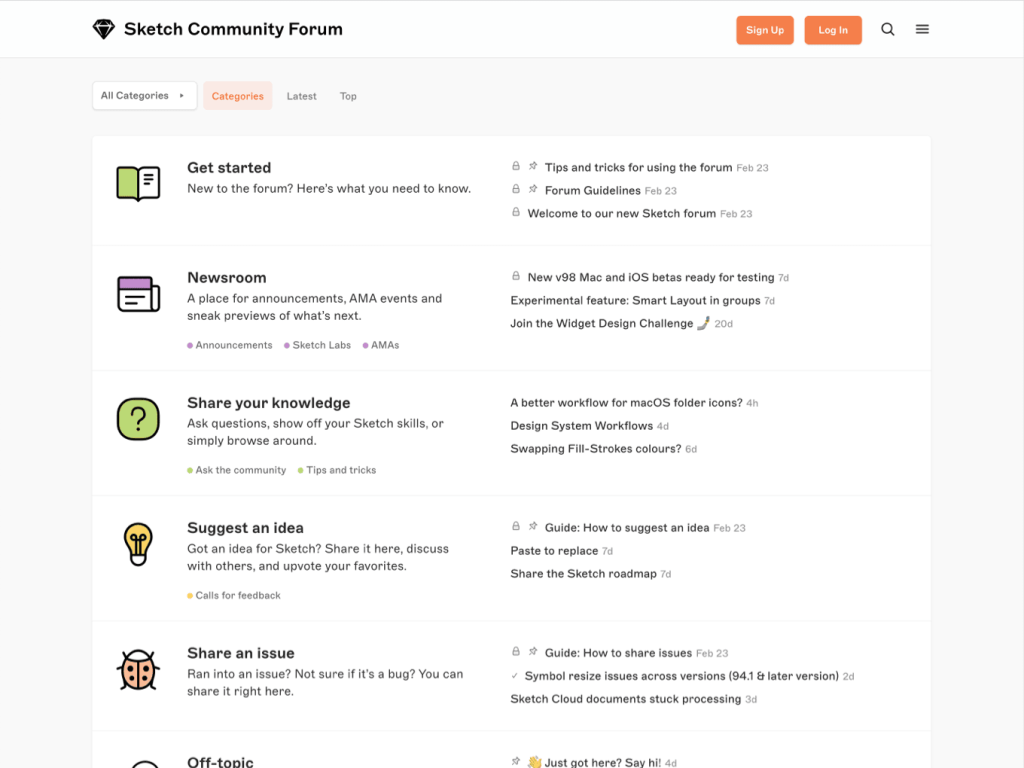
This is where long-form questions live. Tools like Discourse, Circle, or even a well-structured Reddit subreddit work. The key is searchability. When someone asks “How do I sync my inventory with Square?” that answer should be findable six months later. Unlike chat, forums create a library of solutions.
2. Real-Time Channels (Slack, Discord, or In-App Chat)
For quick troubleshooting or moral support, real-time is magic. But beware: it can become a black hole of repeated questions. That’s why you need a bridge — a bot that nudges people to the forum for complex issues, or a weekly “office hours” thread.
3. Peer Champions (Your Superusers)
Every niche community has a few folks who just love helping. They answer before you do. They remember past solutions. Sure, you can give them badges or early access, but honestly? Most do it for the dopamine hit of being useful. Nurture them. Ask them what they need. Sometimes a simple “thank you” DM goes further than a gift card.
4. Knowledge Base Integration
Your help docs shouldn’t be a separate island. When a community answer gets repeated three times, turn it into a doc. Link back to the forum thread. This loop keeps everyone sane.
What This Looks Like in Practice
Let’s take a fictional example: BrewTrack, a SaaS for small-batch breweries. Their team is five people. They can’t answer every “why is my batch yield off?” question.
So they build a community-led ecosystem:
- Discourse forum with categories like “Fermentation Issues” and “Integrations.”
- Discord channel for live brew-day panic moments.
- Ten “Brew Champions” — experienced users who get a special badge and a direct line to product.
- Monthly “Ask a Brewer” video calls where champions answer questions live.
Result? Support tickets drop by 40% in six months. Customer satisfaction goes up. And the product team gets a constant stream of real-world feedback. Not bad for a few hours of community management per week.
The Tricky Parts Nobody Warns You About
Look, it’s not all sunshine. Community-led support has shadows.
- Burnout among champions. They’re volunteers, not employees. If they feel taken for granted, they vanish.
- Misinformation. Sometimes a well-meaning user gives wrong advice. You need gentle correction, not heavy-handed moderation.
- Scalability hiccups. What works for 500 users breaks at 5,000. You’ll need to evolve your tools and rituals.
- The “lurker” problem. Most people read but never post. That’s fine — but you need to seed questions occasionally to keep momentum.
That said… these are solvable. The biggest mistake is treating community as a cost center. It’s not. It’s a moat. A niche SaaS with a strong community is harder to displace than one with a slightly better feature set.
How to Seed and Grow Your Ecosystem (Without Being Pushy)
You can’t force community. But you can create conditions for it to bloom. Here’s a loose playbook:
- Start small. Invite your ten most engaged users to a private channel. Ask them what they wish they’d known when they started.
- Model good behavior. Your team should ask and answer questions publicly, not just in DMs. Show that vulnerability is okay.
- Celebrate publicly. A weekly “shout-out” post for helpful members. It’s simple, but it works.
- Close the loop. When a community suggestion leads to a product change, announce it. “You asked, we built” is rocket fuel.
- Be patient. Ecosystems take months, not weeks. The first year feels slow. Then it snowballs.
Metrics That Actually Matter
Forget vanity metrics like total members. Instead, track:
| Metric | Why It Matters |
|---|---|
| % of questions answered by peers | Shows community self-sufficiency |
| Time to first response | Faster than your support team? |
| Repeat contributors | Loyalty and health of ecosystem |
| Ticket deflection rate | Direct cost savings |
| Sentiment in threads | Are people kind? Or snarky? |
One more thing: don’t obsess over daily active users. A niche community might be quiet for weeks, then explode during a product update. That’s normal. Rhythms vary.
The Human Side (and Why It Wins)
I’ll be honest. I’ve seen SaaS founders try to automate everything — chatbots, AI replies, canned responses. And sure, those help. But they feel cold. A niche platform thrives on warmth. On inside jokes. On a user named “TractorJane” answering a question at 11 PM because she remembers how lost she felt two years ago.
That’s not scalable in the traditional sense. But it’s replicable. You can’t manufacture that moment, but you can build the campfire and leave matches nearby.
So if you’re running a niche SaaS, ask yourself: are you building a product, or a place? The most resilient platforms — the ones that weather algorithm changes, economic dips, and copycat competitors — are the ones where users feel like they belong. Support becomes a side effect of belonging. And that’s a beautiful thing.

More Stories
Support Experience Personalization Using Behavioral Segmentation
Customer Support for Digital Accessibility Tools and Users
Empathy-driven automation in high-stress support scenarios