

So, you’ve booked the booth. The flights are sorted, the hotel is locked in, and your sales team is already practicing their elevator pitch. But then it hits you — how on earth does that 200-kilo prototype, the roll-up banners, and the box of brochures actually get to the exhibition hall in Munich, Shanghai, or Las Vegas?
That’s the thing about international exhibiting. The marketing side is glamorous. The logistics side? Not so much. But honestly, it’s the backbone of your entire show. You can have the flashiest stand on the floor, but if your product is sitting in a customs warehouse in Frankfurt while you’re standing in an empty booth in Berlin… well, that’s a nightmare you don’t want to live. Let’s break down how to handle freight and logistics without losing your mind — or your budget.
Start with a Logistics Timeline, Not a Wish
First things first: you can’t treat international freight like domestic shipping. It’s a different beast. A slower, more paperwork-heavy beast. The golden rule? Work backward from the show’s move-in date. If the hall opens for setup on a Monday, your cargo should ideally arrive at the warehouse at least three to five business days prior. For ocean freight, that means planning four to six weeks ahead. Air freight? Two to three weeks minimum, especially if you’re shipping lithium batteries or other dangerous goods.
Here’s a quirk I’ve noticed: exhibitors often underestimate the “last mile” — that final stretch from the airport or port to the exhibition center. It’s rarely a straight line. Local traffic, union rules at the venue, and even weather can throw a wrench in things. Build in a buffer. A boring, unglamorous buffer. Future you will be grateful.
Incoterms: The Fine Print That Makes or Breaks You
Okay, let’s talk about Incoterms. I know, I know — eyes glazing over. But stay with me. These three-letter terms (EXW, FOB, DAP, etc.) define who pays for what, and more importantly, who owns the risk at each step. For international exhibitors, the most common trap is agreeing to EXW (Ex Works). That means the supplier drops the goods at their factory door, and you’re responsible for everything after — export clearance, trucking, freight, customs, the works. It sounds simple, but it’s a huge headache if you’re not set up for it.
Instead, consider DAP (Delivered at Place) or DDP (Delivered Duty Paid) if you can negotiate it. That shifts the burden to the freight forwarder or supplier. Sure, you’ll pay a bit more upfront, but you’ll avoid surprise charges at the border. And honestly, surprise charges are the worst. They’re like finding a brick in your suitcase — heavy and completely unnecessary.
Choosing Between Air, Sea, and Road (The Eternal Debate)
Your choice of transport is a trade-off between speed, cost, and reliability. Let’s break it down:
- Air freight: Fastest, most expensive, and best for high-value or time-sensitive items. Think electronics, prototypes, or last-minute marketing collateral. But watch out for volumetric weight — if your packaging is bulky, you’ll pay for space, not just mass.
- Sea freight: Cheapest for large volumes, but slow. You’re looking at 20–40 days depending on the route. It’s perfect for heavy machinery or large booth structures. Just don’t ship your giveaways this way unless you’re planning a year ahead.
- Road freight: Great for European shows where you’re driving across borders. It’s flexible and often door-to-door. But beware of cabotage rules and driver rest times — they can add unexpected delays.
A common hybrid approach? Ship the heavy stuff by sea, and air-freight the essentials — like your samples or the CEO’s presentation laptop. It’s a bit like packing a carry-on with your toothbrush and a change of underwear, while the big suitcase goes in the hold. Redundancy is your friend.
Customs Clearance: The Paperwork Monster
Customs is where dreams go to die. Not to be dramatic, but it’s true. The key is preparation. You’ll need a commercial invoice, packing list, and often a temporary importation document (like an ATA Carnet). This little booklet is a lifesaver — it lets you bring goods into a country temporarily without paying duties and taxes, as long as you take them back out within a year. It’s like a passport for your products.
But here’s the catch: not all countries accept ATA Carnets. And some have specific restrictions on certain materials — wood pallets need ISPM-15 treatment, for instance. If you show up with untreated pallets in Australia, they’ll be incinerated on the spot. I’m not joking. Your booth could literally go up in smoke (figuratively, at least).
My advice? Hire a customs broker who specializes in exhibition logistics. They know the local quirks. They know which forms to file and when. It’s an extra cost, sure, but it’s cheaper than missing the show entirely.
Working with a Freight Forwarder vs. Going Solo
Some exhibitors try to save money by coordinating everything themselves. And hey, if you’re shipping a couple of boxes of brochures, that’s fine. But for anything substantial, you need a freight forwarder. They’re the travel agents of the cargo world. They book the space, handle the paperwork, and coordinate the handoffs.
When choosing a forwarder, ask about their experience with trade shows specifically. Exhibition freight is different from regular freight. It involves strict deadlines, venue-specific regulations, and often a need for on-site support. A good forwarder will have a local partner at the destination who can handle the delivery to the booth — and maybe even help with unpacking if you pay extra.
And for the love of all things holy, get everything in writing. Rates, transit times, what’s included, what’s not. Verbal agreements are fine for lunch plans, not for international logistics.
On-Site Handling: The Final Hurdle
Once your cargo arrives at the venue, it’s not automatically at your booth. Most exhibition halls have an official handling contractor. They’ll unload your goods from the truck, move them to your stand, and sometimes even unpack them. But this service isn’t free. In fact, it can be shockingly expensive — sometimes hundreds of dollars per crate, depending on the venue.
Here’s a pro tip: check the exhibitor manual. It’s a dense, boring document, but it contains the rates for material handling, forklift services, and storage. Sometimes you can save money by using the official contractor instead of your own forwarder for the final delivery. Sometimes it’s the opposite. Do the math. It’s not glamorous, but it’s necessary.
Insurance: The Thing You Hope You Never Need
Let’s talk about insurance for a second. It’s not the most exciting topic, but it’s essential. Your cargo is exposed to risks — theft, damage, delays, mishandling. Standard freight insurance usually covers some of this, but not always. Check the policy. Does it cover “all risks” or just “total loss”? Does it include coverage during the show itself? Some policies end the moment the truck arrives at the venue.
I remember a colleague who shipped a custom-built display to a show in Singapore. It arrived in perfect condition, but a forklift driver accidentally backed into it during setup. The damage was covered, thank goodness, because they had a comprehensive policy. Without it? That would have been a $15,000 lesson in humility.
Packing Matters More Than You Think
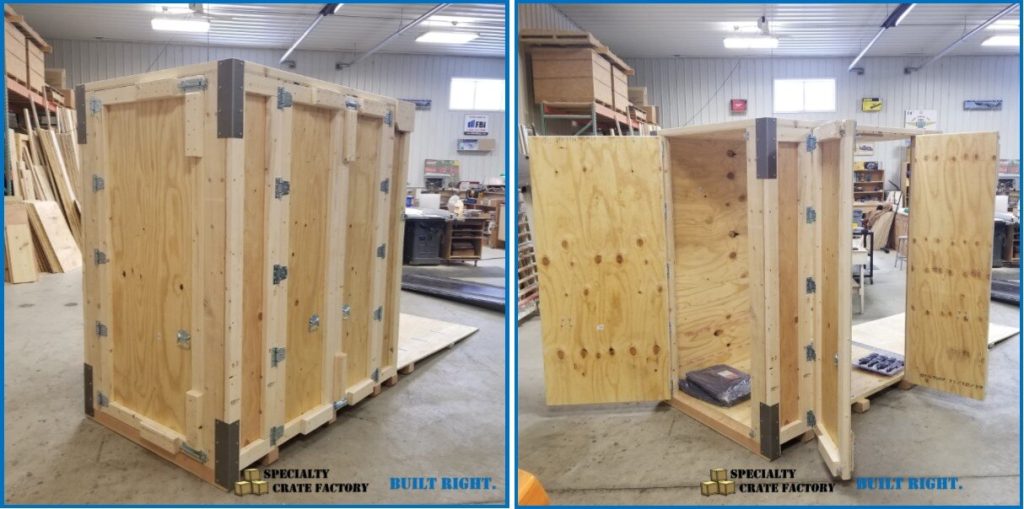
You might be tempted to reuse old boxes or skip the wooden crates. Don’t. International shipping is rough. Your goods will be stacked, shoved, and subjected to temperature swings. Invest in sturdy, reusable crates with proper cushioning. And label everything clearly — not just your company name, but also “This Side Up” and “Fragile” in the local language, if possible.
Also, think about unpacking at the show. You’ll need tools, spare parts, and maybe a few extra zip ties. Pack a small “booth toolkit” and keep it in your carry-on luggage. Trust me, you don’t want to be hunting for a screwdriver at 7 AM on move-in day in a foreign city.
Technology and Tracking: A Modern Lifesaver
Gone are the days of calling your forwarder and hoping for the best. Most modern logistics providers offer online tracking dashboards. You can see your cargo’s location, status, and estimated arrival time in real-time. Some even send alerts when a milestone is hit — like “cleared customs” or “delivered to warehouse.”
Use this to your advantage. Set up alerts on your phone. Check the dashboard daily. If something looks off — a delay, a hold-up at customs — you can react early. And if you’re using a forwarder, make sure they have a 24/7 contact number. Shows don’t wait for business hours.
Sustainability: The New Frontier in Exhibition Logistics
It’s worth mentioning that green logistics is becoming a bigger deal. More venues are pushing for sustainable practices — recycled materials, carbon-neutral shipping options, and reduced packaging waste. Some exhibitors are even using reusable, modular booth systems that collapse flat for shipping. It saves money on freight and looks good in your CSR report. Win-win.
But don’t sacrifice reliability for eco-friendliness. A recycled cardboard box that falls apart in transit is worse for the environment than a sturdy plastic crate used a hundred times. Think about the entire lifecycle, not just the first shipment.
A Quick Checklist Before You Ship
Let’s wrap this up with a practical checklist. Print it out. Stick it on your wall.
- Confirm the show’s move-in and move-out dates, plus warehouse address.
- Decide on Incoterms with your supplier — avoid EXW unless you’re prepared.
- Book your freight forwarder at least 6–8 weeks before the show.
- Check if an ATA Carnet is needed for your destination country.
- Verify pallet treatment (ISPM-15) and any restricted materials.
- Purchase comprehensive insurance, including on-site coverage.
- Label all crates clearly, both in English and local language.
- Pack a toolkit and essential spares in your carry-on.
- Set up tracking alerts and keep your forwarder’s emergency number handy.
- Review the exhibitor manual for handling fees and official contractor details.
The Bottom Line on Freight Management
International exhibition logistics isn’t rocket science, but it does require

More Stories
Hybrid Event Attendee Engagement Analytics: The Metrics That Actually Matter
Hybrid Event Engagement Strategies for Exhibitors: The Real Playbook
Sustainable trade show booth materials lifecycle