


Let’s be honest. The trade show floor can feel like a monument to excess. Glossy brochures that get tossed before the taxi ride back to the hotel. Massive, custom-built displays used once and then… stored forever? Or worse, landfilled. The energy drain, the swag, the sheer stuff. It’s enough to make an environmentally conscious exhibitor wince.
But here’s the deal: sustainability is no longer a niche afterthought. It’s a core part of modern business strategy and, frankly, a powerful way to connect with today’s attendees. Going green at your next event isn’t about sacrifice—it’s about working smarter, building a better brand, and yes, saving money in the long run. Let’s dive into how you can transform your exhibit from a resource-heavy burden into a beacon of thoughtful, effective engagement.
Rethinking the Foundation: Your Exhibit Structure
It all starts with what you build your booth out of. The old model of custom, single-use materials is, well, unsustainable. The new model is all about flexibility and lifecycle.
Modular & Reusable Systems
Invest in a modular exhibit system. These are like the LEGO sets of the trade show world—configurable, durable, and designed to be reconfigured for different shows and spaces for years. You drastically cut down on waste, shipping volume (and costs!), and storage needs. It’s a no-brainer.
Material Matters
When you do need graphics or components, demand sustainable materials. Think:
- Fabric Graphics: Dye-sublimated fabrics are lightweight, reusable, and ship in tiny tubes compared to rigid boards.
- Recycled & Plant-Based Substrates: Look for signage made from recycled plastics, cardboard, or even algae-based materials.
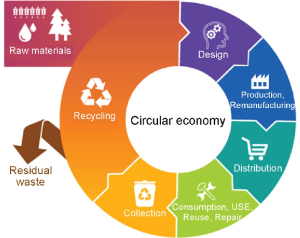
- Borrowed or Rented Elements: Do you really need to own that furniture? Renting high-quality pieces locally cuts emissions from transport and keeps items in a circular use cycle.
The Nitty-Gritty: Operations on the Show Floor
Okay, so your booth is built green. How you run it matters just as much. This is where your daily choices add up to a massive impact.
Power Down, Smartly
Energy consumption is a huge, often invisible, culprit. Use LED lighting exclusively—it uses up to 80% less energy and generates far less heat than halogen. And put everything on timers or motion sensors. Why should your dazzling display run all night in an empty hall? It shouldn’t.
The Paperless (or Paper-Smart) Pursuit
We all know the drill. But moving away from paper collateral is one of the easiest wins. Use digital alternatives:
- QR codes linking to online brochures, spec sheets, and case studies.
- Tablets or interactive screens for dynamic presentations.
- Simple digital business card exchanges via apps.
If you must have print, make it count. Use 100% post-consumer recycled paper, soy-based inks, and print on-demand in small batches to avoid waste.
Swag with a Soul: Rethinking Giveaways
Ah, promotional products. The mountain of cheap pens, stress balls, and USB drives that end up in drawers—or landfills. This is a prime area for a mindset shift. The goal isn’t to give away the most stuff; it’s to give away the right stuff.
Choose items that are useful, high-quality, and sustainably made. Think organic cotton t-shirts, stainless steel water bottles (that people actually want to use), or seed paper packets. Even better, offer an “experience” as your giveaway: a donation to an environmental charity in the lead’s name, or a code for a digital asset like an ebook or premium tool.
| Old Swag Mindset | New, Sustainable Swag Mindset |
| Cheap, mass-produced plastic | Durable, functional, & ethically made |
| Given to everyone who walks by | Earned through a meaningful engagement |
| Single-use, disposable | Reusable or consumable (like quality snacks) |
| Brands you for a moment | Brands you for the long-term through utility |
Logistics: The Invisible Carbon Culprit
Honestly, shipping and travel can be the heaviest part of your exhibit’s carbon footprint. You can’t eliminate it, but you can optimize.
- Consolidate Shipments: Work with your freight partner to minimize trips and use consolidated shipping lanes.
- Local Sourcing: Source services—like printing, floral, labor—from local vendors near the event venue.
- Carbon Offsetting: For the emissions you can’t avoid, invest in a reputable carbon offset program. And then talk about it. It shows holistic commitment.
Walking the Talk: Communication is Key
Don’t hide your efforts! Subtly educate attendees on what you’re doing. A small sign explaining your booth is made from 90% recycled materials. A note that your tote bags are made from recycled plastic bottles. This isn’t bragging—it’s inviting your audience into your values. It starts a conversation and builds authentic brand affinity. People remember that.
The Bigger Picture: It’s a Journey
Look, perfection is the enemy of progress. You might not be able to implement every single one of these eco-friendly trade show practices for your next event. And that’s okay. Start with one or two. Maybe this show, you switch to all LED lighting and go completely paperless with your collateral. Next show, you introduce a modular system and rethink your swag.
The point is to begin. To make choices that are a little less wasteful, a little more thoughtful. Because in the end, a sustainable trade show strategy isn’t just about feeling good—though you will. It’s about resilience, efficiency, and connecting with a market that increasingly votes with its values. Your exhibit becomes more than a sales tool; it becomes a statement of who you are and the future you’re building. And that’s a powerful story to tell, right there on the show floor.


More Stories
Logistics and Freight Management for International Exhibitors
Hybrid Event Attendee Engagement Analytics: The Metrics That Actually Matter
Hybrid Event Engagement Strategies for Exhibitors: The Real Playbook