


Let’s be honest. The traditional trade show model is a linear beast. You know the drill: extract, manufacture, use for three days, and then… dump. It’s a whirlwind of custom-built booths, single-use giveaways, and logistical chaos that leaves a mountain of waste in its wake. Honestly, it’s unsustainable—both environmentally and, increasingly, economically.
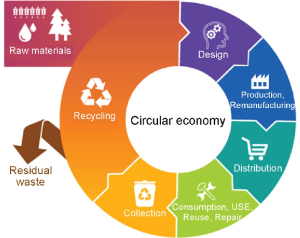
But what if we could break that cycle? What if we designed events not as endpoints, but as loops? That’s the promise of the circular economy in trade show design and logistics. It’s about rethinking everything—from the materials in your booth to the journey of a branded pen—to eliminate waste and keep resources in use. Here’s the deal: it’s not just “greenwashing.” It’s a smarter, more resilient way to do business.
Why Linear Logistics Are Costing You More Than You Think
We’ve all seen it—the frantic breakdown on the final day. Perfectly good structures get smashed into a dumpster. Carpets, printed graphics, furniture—all destined for landfill. The environmental cost is staggering, sure. But the financial hit is just as real. You’re paying for custom fabrication, expensive shipping, and then paying again for disposal fees. It’s a lose-lose-lose scenario.
The pain points are mounting. Landfill bans on certain materials are tightening. Attendees and partners are demanding authentic sustainability. And frankly, that old foam-core signage just looks… wasteful. The linear model is cracking. The circular model, well, it builds something stronger from the pieces.
Core Principles: Designing the Loop
Implementing circular economy principles in event design isn’t about one magic trick. It’s a mindset shift, built on a few key ideas. Think of it as designing for a second, third, or infinite life, right from the start.
1. Design for Disassembly and Longevity
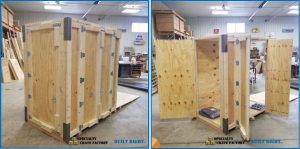
Forget the glue and staples. Circular booths are built like high-quality furniture—with bolts, connectors, and modular panels. The goal? A structure that can be easily taken apart, stored, and reconfigured for your next show. No damage. No waste. This approach to modular trade show booth design is the absolute bedrock of circular logistics.
2. Prioritize Material Health and Cycles
What is your booth made of? Circular thinking demands materials that are either biodegradable and compostable (think bamboo, organic fabrics) or technical nutrients that can be infinitely recycled (like aluminum, certain plastics). The rule of thumb? Avoid toxic composites that can’t be cleanly separated. It’s about knowing the end-of-life story of every component before you even order it.
3. Embrace Service and Sharing Models
You don’t need to own everything. The rise of rental and reusable exhibit solutions is a game-changer. Why buy a booth that sits in a warehouse 350 days a year? High-quality rental fleets offer stunning, sustainable designs. Same for furniture, AV, and even plant decor. It’s access over ownership, which reduces your carbon footprint and storage headaches.
Putting It Into Practice: A Circular Trade Show Blueprint
Okay, so how does this actually work on the ground? Let’s walk through the lifecycle of a circular exhibit.
Pre-Show: The Strategic Foundation
It all starts in planning. Partner with vendors who have circular credentials. Choose modular systems. Select materials wisely—FSC-certified wood, recycled aluminum, digital fabric printing with water-based inks. And those giveaways? Opt for useful, high-quality items made from recycled materials, or better yet, digital swag alternatives like downloadable content or donation pledges.
On-Site: Operations in the Loop
During the show, your job is to maintain the loop. Set up clear sorting stations for compost, recycling, and landfill (aiming for near-zero). Use digital signage instead of printed updates. Serve catering in reusable ware. It’s about mindful operations that support your design choices.
Post-Show: Where the Magic (Really) Happens
Breakdown is where linear fails and circular shines. Instead of a trash sprint, it’s a careful deconstruction. Components are sorted:
- Reuse: Modular panels, furniture, and durable signage are packed for the next event.
- Refurbish: Worn elements are repaired or refinished.
- Recycle: Materials are sent to dedicated streams to become new products.
- Compost: Biodegradable elements return to the earth.
This is the heart of sustainable trade show logistics. It turns a cost center into a recovery operation.
The Tangible Benefits: Beyond Feeling Good
This isn’t just altruism. The business case is robust. First, cost savings. You slash disposal fees, reduce storage needs, and cut material costs over time through reuse. Rental models turn capital expenditure into operational expense.
Then there’s brand value. Demonstrating real, operational sustainability builds deep trust. It attracts like-minded partners and talent. It’s a powerful, authentic story to tell—a story of responsibility woven into your very presence.
And let’s not forget resilience. A modular, reusable system gives you flexibility and agility. Market changes? You can reconfigure. Last-minute show? Your kit is ready. It’s a smarter kind of security.
The Road Ahead: Challenges and Mindset Shifts
It’s not all easy, of course. The initial investment can feel higher. The supply chain for truly circular materials is still growing. And it requires deeper collaboration with your vendors—you’re partners in the loop, not just transactional buyers.
The biggest hurdle, though, is often internal. Moving from a “project-based” budget (one show, one cost) to a lifecycle view. It’s a shift from seeing a booth as a cost to viewing it as a reusable asset. That’s a fundamental change in accounting—both on the books and in the mind.
But the direction is clear. The trade show industry, like all industries, is being pulled toward circularity. Regulations will tighten. Attendee expectations will rise. Resources will become more precious. Starting this journey now isn’t just forward-thinking; it’s future-proofing.
So, the next time you plan an event, imagine the breakdown first. Picture those components—clean, sorted, and full of potential, ready for their next act. That’s the circular vision. It turns the end of the show into a beginning.

More Stories
Logistics and Freight Management for International Exhibitors
Hybrid Event Attendee Engagement Analytics: The Metrics That Actually Matter
Hybrid Event Engagement Strategies for Exhibitors: The Real Playbook